
By Trusted Tech Buys
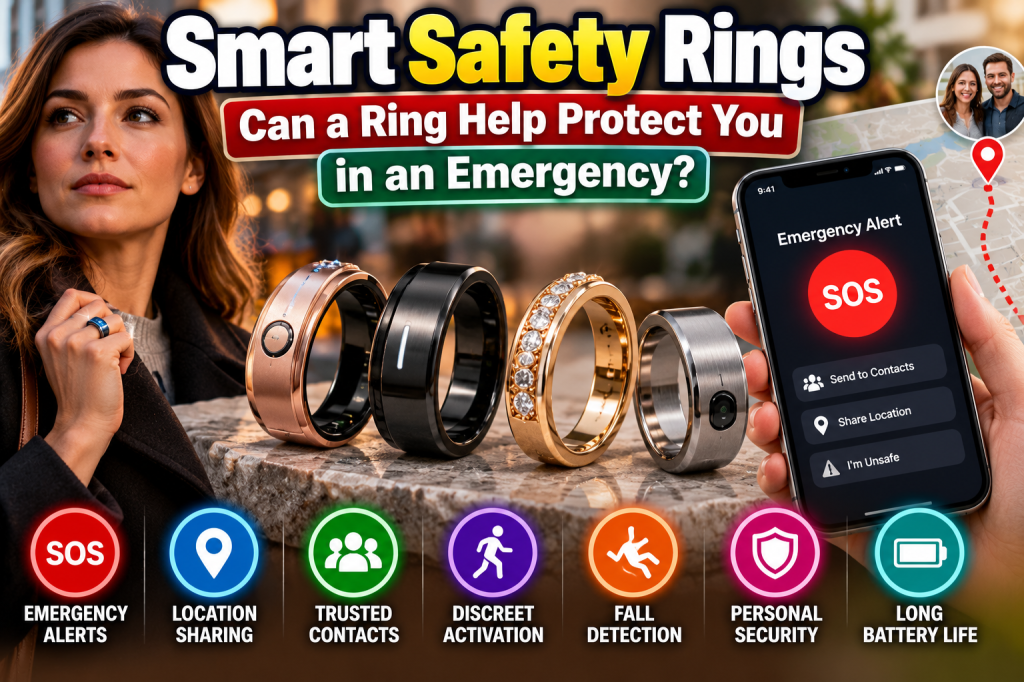
Technology is getting smaller, smarter, and increasingly personal. We have smartwatches that monitor activity, smart rings that track sleep, and now wearable devices designed to help people communicate when they feel threatened or need assistance.
Smart safety rings are an interesting development because they combine the appearance of ordinary jewelry with technology intended to provide an additional layer of personal security.
Imagine walking through a parking lot, traveling alone, or returning home after dark. Instead of reaching into a pocket to unlock a smartphone, a discreet wearable could allow you to send an alert to people you trust.
But how does this technology actually work? What happens after an alert is activated? And can a small ring really make a difference?
1. The Technology Inside a Smart Safety Ring
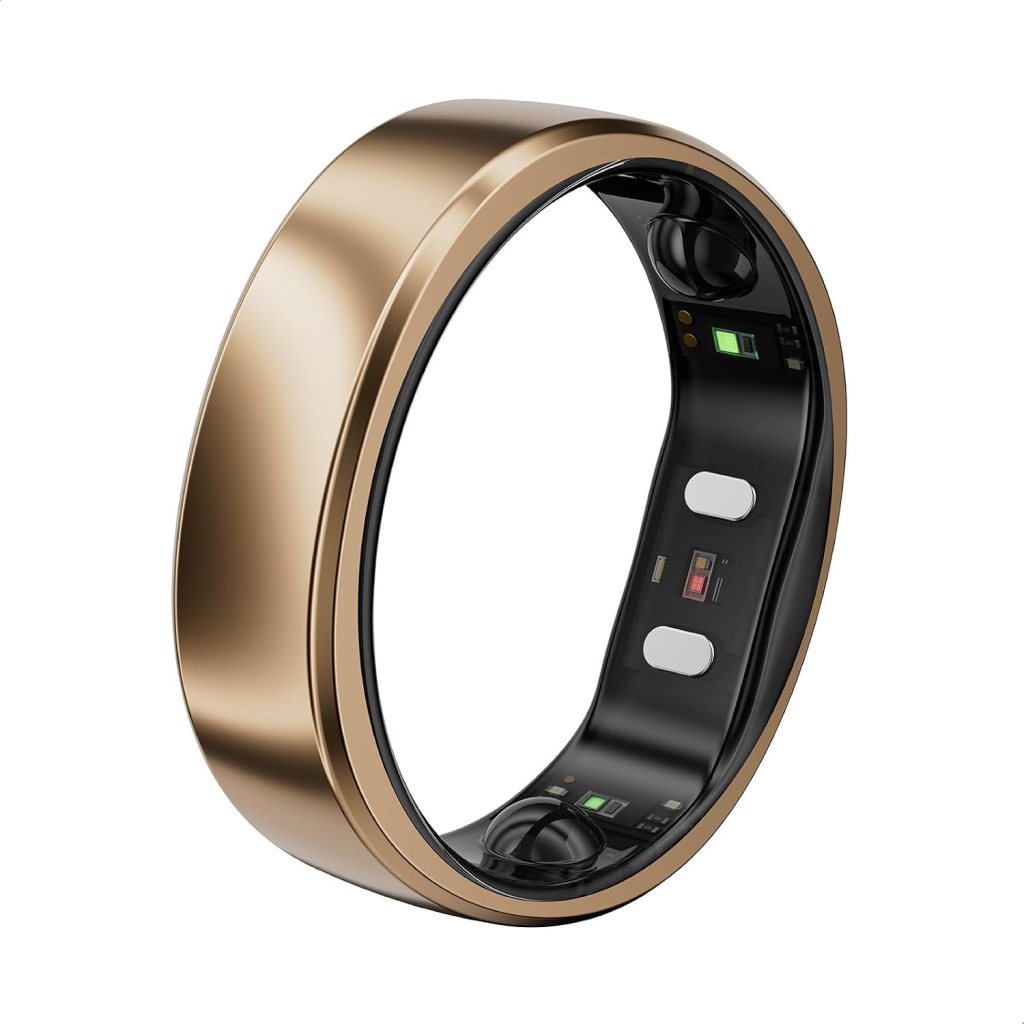
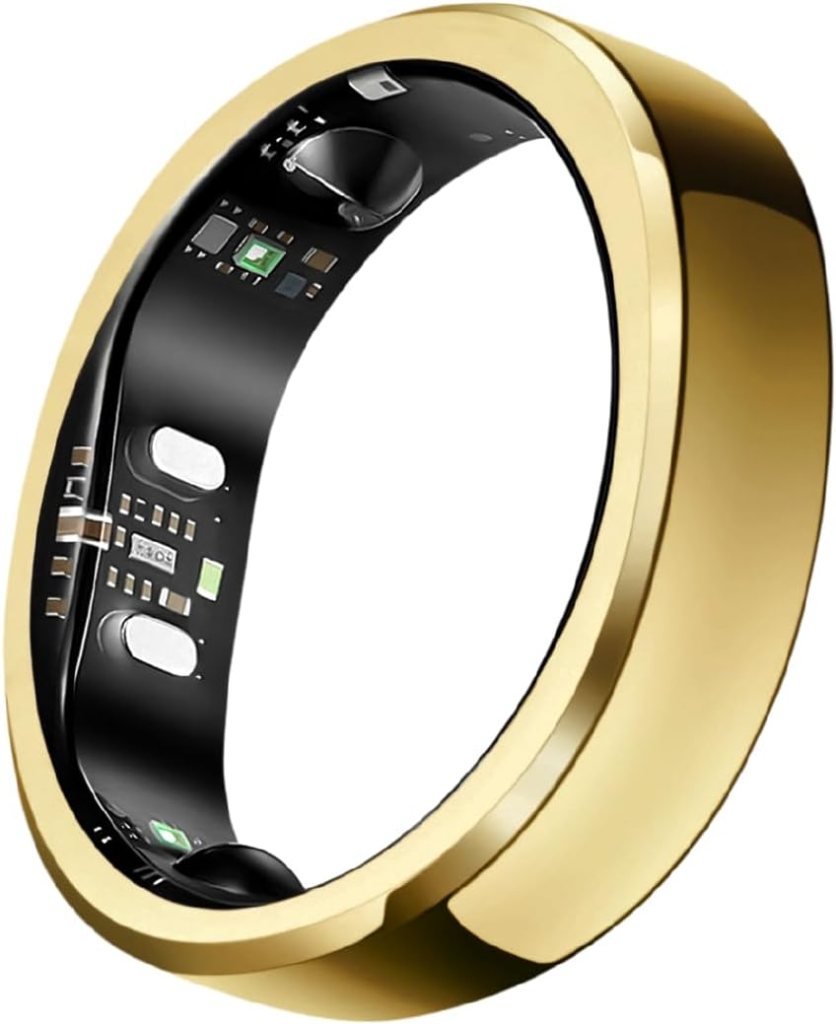
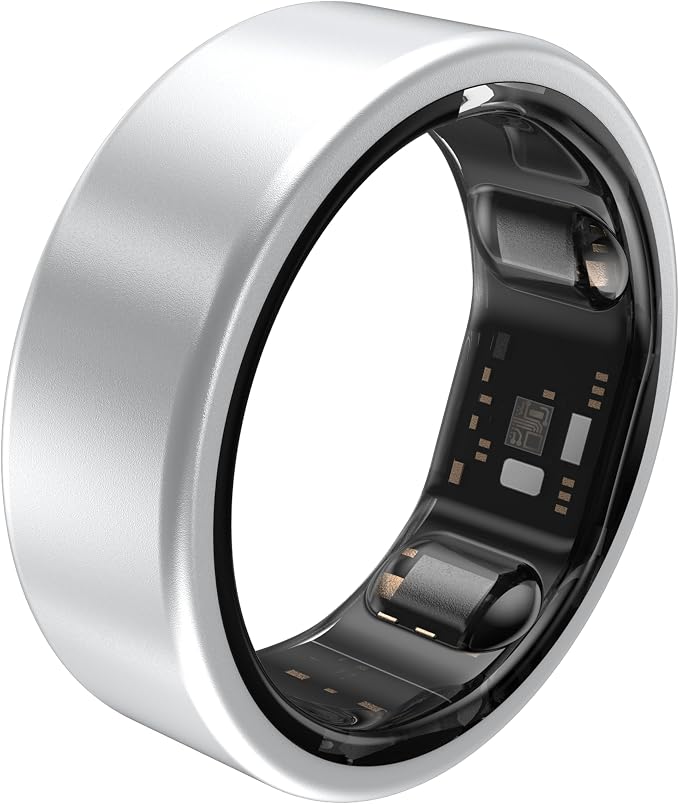
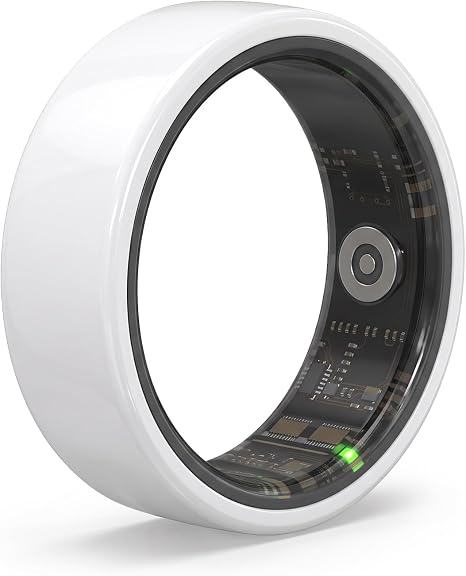
A smart safety ring may look like an ordinary piece of jewelry, but inside it can contain several miniature electronic components.
Depending on the design, these may include:
- Wireless communication: Allows the ring to communicate with a smartphone or another connected device.
- Activation controls: A button, touch-sensitive area, or gesture used to trigger an alert.
- Electronic processors: Manage the device’s functions and communication.
- Rechargeable batteries: Supply power to the electronics.
- Sensors: Some products may include motion or other sensing technology.
The ring itself may not contain every component needed for an emergency alert. In many designs, the smartphone does much of the work.
2. What Happens When You Activate an Emergency Alert?
This is where smart safety technology becomes particularly interesting.
A typical smartphone-connected safety device may work through several steps:
- The wearer activates the ring using its designated control.
- The ring communicates with the paired smartphone.
- A companion application processes the alert.
- The application sends a notification or message to selected contacts.
- Depending on the product, the notification may include location information.
The exact process differs between manufacturers.
Some devices may offer a discreet notification, while others may provide location sharing or an ongoing check-in feature.
Important: Sending a message to trusted contacts is not the same as contacting police or emergency services. Always determine exactly who receives an alert before relying on a device.
3. Why Location Sharing Matters
Location sharing is one of the most useful features that a personal safety wearable may offer.
If someone activates an alert, selected contacts may receive information that helps them understand where the person is.
However, shoppers should ask several important questions:
- Does the ring have its own GPS capability?
- Does it use the smartphone’s location?
- Does the phone need to be nearby?
- Can the location be updated while the person is moving?
- Does the service work outside the cellular coverage area?
A ring that depends on a smartphone may not work as expected if the phone is lost, switched off, or out of range.
4. Could Smart Safety Rings Help Older Adults?
Personal safety technology is not only for people walking alone at night. It may also have applications for older adults who live independently.
Some emerging wearable products are exploring fall detection and caregiver notifications.
A family might want a device that helps notify someone when an older relative needs assistance. But there is an important distinction between a product that detects certain movements and a professionally monitored medical alert service.
Before purchasing a fall-detection wearable, investigate:
- Whether fall detection has been independently tested.
- Whether the device automatically contacts anyone.
- Whether it requires a subscription.
- Whether caregivers receive notifications.
- Whether it works without a nearby smartphone.
Never assume that a ring can reliably detect every fall or summon emergency assistance automatically.
5. Smart Safety Rings Versus Traditional Personal Alarms
A smart safety ring is not the only option for people who want additional personal security.
Traditional personal alarms produce a loud sound intended to attract attention. They are generally simple and may not require a smartphone.
Smartphone safety applications can provide emergency contacts, location sharing, and check-in features without requiring another wearable device.
Smartwatches may offer Emergency SOS, location sharing, and cellular communication on selected models.
Smart safety rings aim to make certain safety functions available through a discreet piece of jewelry.
Each option has advantages. The best choice depends on whether someone wants a loud alarm, discreet communication, location sharing, or a direct emergency-calling feature.
6. The Biggest Weakness: Technology Can Fail
This is something every buyer should understand.
A smart safety ring cannot guarantee protection. Batteries run down. Phones lose their connections. Bluetooth devices can disconnect. Cellular networks may become unavailable.
Even a correctly activated alert may not reach the intended person immediately.
Before depending on any safety wearable, understand its limitations and establish a backup plan. Keep your phone charged, know how to contact emergency services, and make sure trusted contacts understand what an alert means.
Frequently Asked Questions
1. Can a smart safety ring work without a smartphone?
Some products may have independent connectivity, but many depend on a paired smartphone. Check the exact model’s requirements.
2. Can a smart safety ring automatically call the police?
Do not assume it can. Many devices notify trusted contacts rather than directly contacting emergency services.
3. Can smart safety rings detect an attack?
An ordinary emergency-alert ring generally depends on the wearer activating it. Do not assume it can recognize an attack automatically.
4. Do smart safety rings require charging?
Most electronic wearable devices require power. Battery life and charging arrangements vary by manufacturer.
5. Are smart safety rings a replacement for personal safety training?
No. They are additional tools, not replacements for awareness, planning, emergency services, or practical safety precautions.
Final Thoughts from Trusted Tech Buys
Smart safety rings demonstrate how technology is moving beyond traditional gadgets and becoming part of the things we wear every day.
The possibility of discreetly notifying trusted contacts, sharing location information, or connecting caregivers is promising. However, consumers should look carefully at how each device works rather than assuming every advertised safety feature provides the same level of protection.
As this category develops, we can expect continued experimentation with smaller electronics, better sensors, and more convenient wearable designs.
At TrustedTechBuys.com, our goal is to help readers understand emerging technology before spending their hard-earned money. New technology can be exciting, but knowing what it actually does is what makes someone a smart shopper.


We Welcome Your Reply